

Slip and Fall Prevention: Practical Steps for Workplace Safety
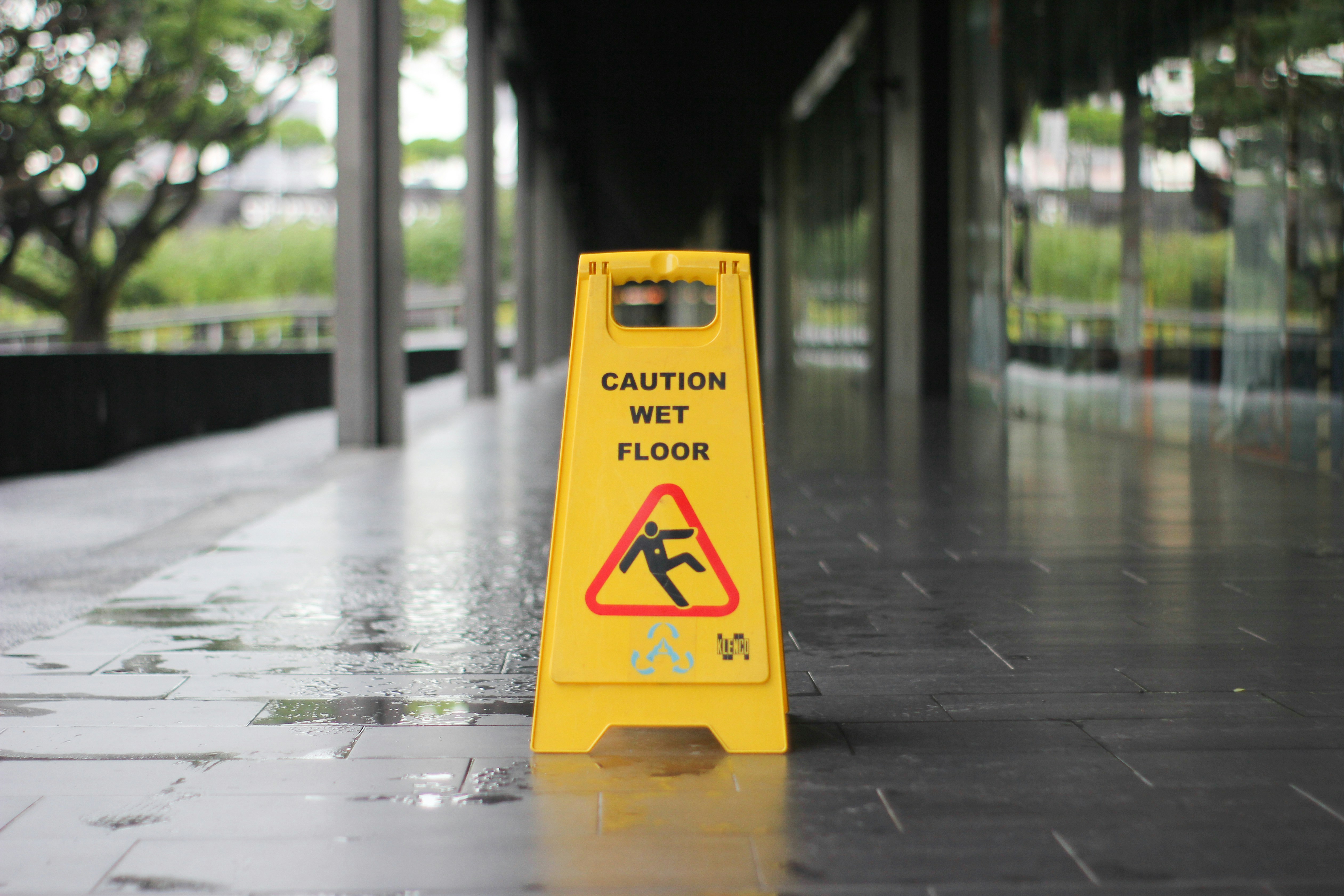
Slip and fall incidents are among the most common causes of workplace injuries across all industries. Understanding what causes these accidents and how to prevent them is one of the most effective ways to keep yourself and your colleagues safe.
This guide will empower everyone in the workplace to identify hazards, implement practical safety measures, and recognize the financial and legal implications of slip and fall incidents. By focusing on proactive housekeeping, organized workspaces, and clear prevention strategies, you can play a key role in supporting a safer work environment for all.
Understanding Slip and Fall Accidents
Prevention starts with understanding how these accidents occur. Slip and fall injuries usually stem from a mix of environmental factors, human behavior, and organizational oversight.
Unique Risk Scenarios Across Work Environments
Every work setting presents its own hazards. Knowing these can help you stay proactive:
-
Construction Sites: Constant changes, uneven ground, scattered materials, open excavations, and exposed weather surfaces all create risks. Keeping walkways clear and materials organized is critical.
-
Life Sciences and Healthcare: Labs and medical facilities contend with frequent spills and floors that become slippery when wet. Immediate spill containment and consistent cleaning protocols are necessary.
-
Technology and Office Spaces: Risks include exposed cords, unsecured rugs, and recently mopped floors lacking warning signs. Distractions, such as mobile device use while walking, heighten the chances of a fall.
Core Prevention Strategies and Organization Best Practices
Schedule and conduct regular walkthroughs to identify hazards like uneven floors, poor lighting, or blocked exits. Keep a log of these inspections to show an ongoing commitment to a safe environment.
Walkway Maintenance and Housekeeping
Ensure corridors, doorways, and emergency exits are always free from clutter. Organize materials, secure loose carpets, promptly repair flooring, and store inventory properly so it doesn’t block pathways.
Proper Lighting and Stairway Maintenance
Inadequate lighting increases the risk of missing spills or tripping over unseen obstacles. Check that hallway and stairwell lights are always functioning. Handrails on stairs should be sturdy, and stair treads should have non-slip surfaces.
Restroom Monitoring and Spill Management
Bathrooms are often hotspots for slip and fall accidents due to wet floors. Implement routines to check and dry restrooms throughout the day. Place non-skid mats near sinks and entrances, especially during wet weather.
Adequate Signage
When a hazard arises—like a spill or freshly cleaned floor—it must be communicated clearly and immediately. Deploy visible signage, such as "Wet Floor" signs, and promptly remove them when the area is safe again.
Establishing a Culture of Workplace Safety
Physical measures alone aren’t enough. Everyone’s commitment is essential to a truly safe workplace.
Employee Training and Empowerment
Education is the cornerstone of safety. Make sure everyone knows how to spot and report hazards, respond promptly to spills or obstructions, and understand incident protocols. When all team members feel responsible for safety, the environment improves for everyone.
Coordinating with Maintenance Contractors
Many workplaces rely on external contractors for cleaning, snow removal, or repairs. Clearly define and communicate expectations, such as response times for snow clearing or which cleaning agents are safest for specific floor types, so that standards are always met.
Post-Incident Protocols: If Someone Falls, What Should You Do?
Even with the best prevention, accidents can happen. If someone falls at work, the health and safety of the person must come first, followed by careful documentation. Proper response ensures support for the injured party and helps your workplace respond appropriately.
If a slip or fall occurs, follow these steps:
-
Help the Injured Individual: Prioritize their well-being; call for medical help if required.
-
Complete a Detailed Accident Report: Include location, time, weather or environmental conditions, and exactly how the accident happened.
-
Gather Witness Accounts: If others saw the incident or the conditions that led to it, record their statements while details are fresh.
-
Take Photographs: Document the accident scene exactly as it was at the time of the incident, before any changes or clean-up.
-
Preserve All Relevant Documentation: Keep inspection logs, cleaning schedules, and maintenance records related to the area.
-
Note External Factors: Record any nearby construction or environmental changes that could have contributed.
-
Report the Incident Promptly: Notify your insurance broker or representative. Reporting requirements can vary.
The Financial and Legal Impact of Slips and Falls
Slip and fall injuries can have significant financial consequences, making proactive safety and meticulous documentation essential.
What Types of Damages May Be Claimed in a Slip and Fall Incident?
If an employer or property owner is found negligent, the injured person may seek compensation that can include:
-
Medical Expenses: Emergency room visits, tests, physical therapy, and medication costs.
-
Future Medical Needs: If the injury requires ongoing or future treatments.
-
Lost Wages: Wages missed during treatment and recovery.
-
Future Lost Earnings: If the injury impacts the individual’s ability to work longer-term or permanently.
-
Additional Costs: Transportation to appointments, extra help at home, or personal care attendants where necessary.
-
Pain and Suffering: Compensation for physical pain and emotional distress—these amounts are capped by province.
-
Family Claims: In some provinces, dependents may claim for loss of care, guidance, and companionship. Pre-judgment interest can also be added from the date of loss to settlement.
If legal counsel is hired, legal costs and disbursements are often added to any settlement amount.
Settlement Examples
Settlement amounts vary greatly depending on the severity and specifics of the incident:
-
Minor Injuries: Minor sprains or bruising average settlements of $10,000 to $30,000 in Canada. Due to litigation delays, these numbers continue to rise.
-
Severe Injuries: For injuries such as a fractured hip, average settlements can reach $500,000 or more, especially when multiple serious injuries or chronic pain are involved. Cases involving traumatic brain injury or spinal cord injury can result in even higher settlements.
How Commercial General Liability Insurance Responds
To manage the potential costs of slip and fall claims, many businesses secure Commercial General Liability (CGL) insurance coverage. This coverage helps defend organizations against allegations of negligence and may cover both settlement amounts and associated legal fees if someone is injured on premises and the business is found legally responsible.
It is important to understand that coverage varies by the policy’s terms, conditions, and underwriting requirements. Not all incidents will lead to large settlements. Maintaining clear documentation of safety best practices can be valuable when responding to any claim.
Partnering with Berkley Canada
Berkley Canada is committed to helping organizations and their teams build safer, more resilient workplaces. Our specialty insurance solutions, industry expertise, and approachable support empower you to make informed decisions about both prevention and risk transfer.
Whether you’re looking to improve your workplace safety, understand your insurance coverage, or prepare for potential incidents, Berkley Canada is here to support you—alongside your trusted broker partner. We encourage every workplace to take proactive steps and connect with us to learn more about Commercial General Liability insurance and other coverages that can help manage risk and protect your team.
(Please note: The information provided in this guide is for general informational purposes only and is not intended as legal advice. For guidance on individual situations, consult with a qualified legal professional. Any examples illustrated are intended to demonstrate the type of situations that may result in a claim under certain policies and potential outcomes. Products summarized may not be available in all provinces or territories. Coverage for each claim is dependent on the facts and circumstances of the loss, the specific language, terms and conditions of the policy issued and applicable law.)